
One Person, One Vote, One Problem
What happens when democracy decides to measure competency

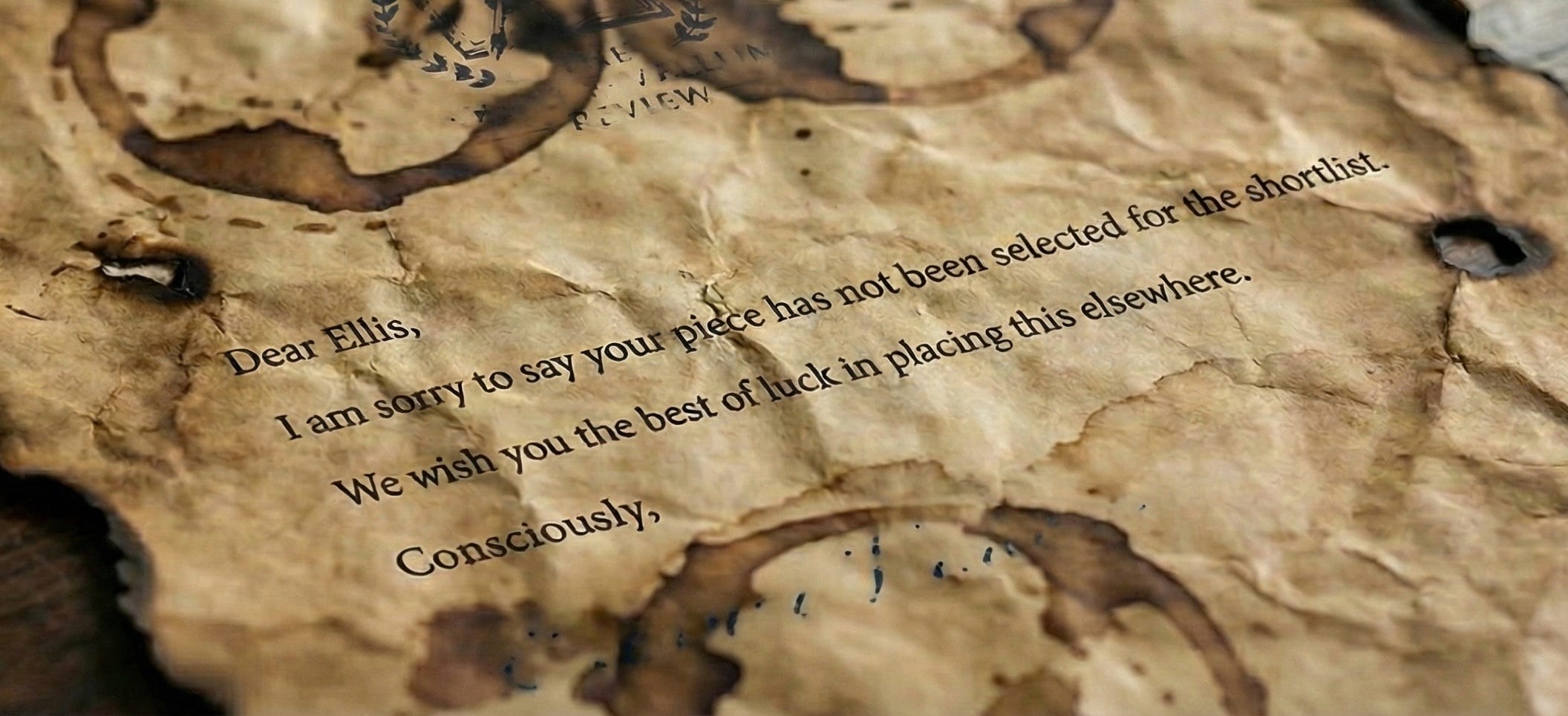
Amber Sutton had been waiting for this moment for six months.
Ever since the Vote Weight Act passed, ever since the AI assessment became mandatory, ever since democracy decided to finally fix itself, she had been preparing. Not that she needed to prepare. She had been engaged in politics for twenty years. She read the news every morning. Well, she read the newsletter digests from The New York Times, The Atlantic, and The Economist. The articles themselves were long, and she had a job, a life, and responsibilities. But she stayed informed on the key points. That was what mattered.
She listened to podcasts during her commute. NPR, mostly. The fifteen-minute explainers on policy issues. She had tried the longer, deep-dive episodes once, but they were dense, academic, and exhausting. The summaries gave her what she needed: enough to follow the conversation, enough to have an opinion, and enough to sound informed at dinner parties.
She fact-checked things before sharing them. Usually. She would Google the claim, scan the first result—Snopes or Wikipedia—and if it confirmed what she already suspected, she shared it. That was more than most people did. That was diligence.
She could name eight of the nine Supreme Court justices. There was that new one, the woman who replaced Ginsburg’s replacement, and she always mixed her up with the other one. But eight out of nine was still better than most Americans, who probably couldn’t name three.
She voted in every election. Presidential, midterm, local, school board. She had even voted in that weird special election about the water district. She hadn’t fully understood the ballot measure, honestly—the wording was dense legalese about aquifers and mill levies—but the Sierra Club endorsed “No,” so she voted “No.” That was making an informed choice. Trusting the experts.
Twenty years of this. Twenty years of paying attention. Twenty years of caring, which was more than most people could say.
She had been thinking about her Vote Weight score for weeks. Realistically, she would probably get a 2.0x. Maybe 2.5x if the AI recognized her level of engagement. She wasn’t delusional; she knew 5.0x was reserved for constitutional scholars, policy analysts, and people who spent their entire careers studying government. But 2.0x? That felt right. Her vote would count twice as much as the average person’s.
Finally.
The thought made her chest tighten with something like vindication. She approached democracy the same way she approached her recycling routine or her Prius’s maintenance schedule: with methodical, ethical precision.
For two decades, she had watched elections swing on the votes of people who couldn’t name their own senators. People who thought the president controlled gas prices. People who voted based on vibes, aesthetics, or which candidate made them feel something.
Her vote—informed, researched, thoughtful—had counted exactly the same as theirs.
That was the problem with democracy. One person, one vote sounded noble in theory. In practice, it meant the ignorant had equal power to the experts.
The AI would fix that.
The notification was supposed to arrive at 6:00 AM. It was 5:47 now. She made coffee. Strong, black, the way she liked it when she needed to be sharp. Today felt important. Historic. The day democracy evolved.
Outside her kitchen window, she could see Gary’s house across the street. His Trump 2024 flag hung limp in the still morning air, even though it was 2034 and Trump had been dead for three years. His F-150 sat in the driveway, a bumper sticker plastered across the tailgate: DON’T BLAME ME, I VOTED FOR THE FELON.
Gary.
She thought about him a lot these days. Not because she liked him—she didn’t—but because he represented everything the Vote Weight system was designed to fix.
Gary had lived across the street for eight years. In that time, Amber had watched him go from Tea Party conservative to MAGA enthusiast to something even angrier. His lawn signs evolved. His bumper stickers multiplied. His opinions got louder.
She remembered the block party last Fourth of July. She had tried to talk to him, just once, about the economy. Gary had stood there, a lukewarm beer in hand, explaining with absolute, unshakeable confidence that tariffs were a bill sent directly to the government of China.
“They pay us,” Gary had said, tapping his temple. “It’s pure profit.”
Amber had tried. She really had. “Gary, that’s not how it works. Tariffs are import taxes paid by domestic companies. It’s like... if you buy lemons from a store, and the store charges you a fee, the lemon farmer isn’t paying that fee. You are.”
Gary had just laughed, a sound devoid of doubt. “You read too many books, Amber. That’s what they want you to think.”
That was Gary’s philosophy. I know what I know. No evidence required. No analysis necessary. Just pure, crystallized certainty about things he had never bothered to understand.
Gary voted in every election, just like she did. But Gary’s votes were dangerous. He couldn’t explain the difference between the House and the Senate. He thought executive orders were unconstitutional only when presidents he didn’t like issued them.
Gary was going to get a 0.1x. She was certain of it. The system floor was 0.1—you couldn’t go lower than having one-tenth of a vote.
He was going to be furious.
The thought made her smile. Not cruelly, or perhaps only a little cruelly, but with a sense of justice. For eight years, Gary’s vote had counted the same as hers. For eight years, his ignorance had been weighted equally with her knowledge.
Not anymore.
There were others, too. Her cousin Jessica, who believed bleach cured COVID. Jessica, who posted in Facebook groups with names like “Vaccine Truth Warriors” and shared AI-generated images of politicians worshipping Satan with the caption “MAKES U THINK.”
Jessica: 0.1x.
That guy from her old office, Steve, who had confidently explained that the president could just “print more money” to solve the deficit, and when she tried to explain inflation, he said, “That’s just what the banks want you to believe.”
Steve: 0.1x.
Half her Facebook friends, probably. The ones who shared obviously fake news. The ones who confused correlation with causation. The ones who treated politics like team sports, painting their faces and screaming for blood without knowing a single rule of the game.
The AI would sort them out.
It had spent the last year crawling through their digital lives. It analyzed their reading comprehension, their source verification habits, and their logical consistency. It didn’t care about who they voted for—that was the beauty of it. It only cared about why and how they voted.
It was objective. It was cold. It was perfect.
Amber glanced at the clock. 5:53 AM. Seven minutes.
She cracked her knuckles, a nervous habit. She had walked away from the assessment six months ago feeling like she had aced it. She knew the answers. She knew the system. She wasn’t delusional. She wasn’t expecting to be a genius. But she was informed. She was engaged. She was better than Gary.
Her phone buzzed. Just a weather alert. Not the notification.
She opened X—or whatever they were calling it now; she could never keep track of the rebrands—and scrolled through her feed. The anticipation was building. Everyone was talking about it. Vote Weight Day.
Some people were nervous. Some were confident. Some were already angry, preemptively claiming the system was rigged before they had even seen their scores.
Those were the 0.1x people, probably. The ones who knew, deep down, that they would fail.
Amber wasn’t nervous. She had earned this.
6:00 AM.
Her email pinged.
VOTE WEIGHT RESULTS: YOUR SCORE IS READY
She stared at the notification. This was it. Twenty years of being informed, of paying attention, of caring when other people couldn’t be bothered. Twenty years of being better than Gary.
“Okay,” she whispered to the empty kitchen. “Let’s see what I’m worth.”
She clicked the link.
The website loaded slowly, as if the servers were drowning under the weight of 200 million Americans logging in simultaneously to discover their democratic value.
Amber watched the progress bar crawl across her screen. 47%. 52%. 61%.
She refreshed X while she waited. The feed was chaos.
@MikeTorres_PhD: Just got my score. 2.8x. Twenty years in political science, finally counts for something. #VoteWeight
@SarahReads: 2.1x. Not mad about it. Feels about right for someone who actually reads past headlines.
@ConstitutionalScholar47: 5.0x. Constitutional law professor. Makes sense.
Amber felt a flutter of validation. See? The system worked. The smart people were scoring high. The informed people were being recognized.
She scrolled further.
@PatriotGary1776: 0.1x. THIS IS TYRANNY. THIS IS THE ELITES TRYING TO SILENCE THE PEOPLE. They’re AFRAID of us. They’re trying to STEAL our voices. This is how it starts. WAKE UP AMERICA.
Posted four minutes ago. Already 127 replies, mostly other accounts with flag emojis and eagle avatars screaming about the deep state.
Amber smiled. Of course Gary got 0.1x. Of course he was furious. Of course he thought it was rigged, because accepting that he was genuinely uninformed would require a level of self-awareness Gary had never demonstrated in his entire life.
Her screen finally loaded.
FEDERAL VOTER COMPETENCY PORTAL
WELCOME, AMBER SUTTON
YOUR ASSESSMENT RESULTS ARE READY
She took a breath. Her hand hovered over the trackpad. This was it. The number that would define her democratic worth. The mathematical proof that she was better than Gary, better than Jessica, better than all those people who treated voting like throwing darts while blindfolded.
She clicked. The page loaded.
VOTE WEIGHT MULTIPLIER: 0.5x
CLASSIFICATION: BELOW AVERAGE CIVIC COMPETENCY
Amber stared at the screen.
0.5x.
Below average.
She refreshed.
0.5x.
She closed the browser, reopened it, logged back in.
0.5x.
Below average.
Her hands were shaking. This was wrong. This had to be wrong. There must have been a glitch in the system, a server error, a miscalculation.
She clicked on the detailed breakdown.
ASSESSMENT BREAKDOWN:
Civic Knowledge Test: 41%
You were unable to correctly identify basic constitutional provisions, explain the legislative process in detail, or accurately describe the function of federal agencies.
Media Literacy Evaluation: BELOW THRESHOLD
Your browsing history indicates primary engagement with summarized content rather than primary sources. You demonstrate a preference for pre-filtered information aligned with existing beliefs.
Policy Comprehension: INSUFFICIENT
When presented with policy proposals, your responses relied on secondary interpretations rather than direct analysis. You frequently deferred to endorsements rather than engaging with substantive details.
Logical Reasoning: 67%
You correctly identified some logical fallacies but demonstrated confirmation bias in your application of critical thinking. You were more skeptical of claims that contradicted your existing beliefs than claims that supported them.
Source Evaluation: BELOW AVERAGE
Your fact-checking methodology consists primarily of consulting the first available source that appears credible, rather than cross-referencing multiple sources or evaluating methodological rigor.
OVERALL ASSESSMENT:
Your voting record shows consistent partisan alignment without evidence-based reasoning adjustment over time. Your media consumption pattern indicates engagement with political discourse as tribal affiliation rather than analytical evaluation. You demonstrate characteristics of informed-feeling rather than informed-thinking.
Amber read it twice. Then a third time. The words blurred.
Informed-feeling rather than informed-thinking.
She closed the laptop.
Outside, she could hear Gary yelling. Actually yelling, standing in his driveway, phone pressed to his ear, telling someone—probably his brother, probably on speakerphone—about the tyranny, the rigging, the theft of his voice.
Gary got 0.1x. She got 0.5x.
The difference between her and Gary—the man who thought tariffs were bills sent to foreign governments, the man who believed 5G caused COVID, the man who once told her that judges “just make up laws”—was 0.4 points.
Point-four.
That was the mathematical distance between her and the neighbor she had spent eight years pitying. She wasn’t twice as smart as Gary. She was barely half-again smarter.
She opened her laptop again, even though she didn’t want to. Even though she knew what she would see.
0.5x. Below average.
She sat there in her kitchen, the morning light now harsh and unflattering, and tried to remember the last time she had read an entire article. Not a newsletter summary. Not an X thread. An actual article, start to finish, engaging with the evidence, questioning the assumptions.
She couldn’t remember.
She tried to recall the last time she had changed her mind about something political based on new evidence.
She couldn’t remember that either.
The Sierra Club told her to vote “No” on the water district measure, so she voted “No.” She hadn’t read the measure. She hadn’t researched the aquifer issue. She had just trusted. And she called that informed.
The NPR explainer told her how to think about the infrastructure bill, so she adopted that framework. She hadn’t read the bill. She trusted the summary. And she called that engagement.
She fact-checked by Googling and reading whichever source confirmed what she already suspected. And she called that diligence.
Informed-feeling rather than informed-thinking.
The phrase sat in her chest like a stone. She had spent twenty years thinking she was better than Gary. She was. But only by 0.4 points.
Only barely.
For three days, the country existed in a state of suspended horror.
The 5.0x people stayed quiet. A few posted their scores with appropriate humility, then disappeared as the comment sections filled with accusations of elitism and threats of violence.
The 2.0x people felt vindicated but uncomfortable. They had been proven right mathematically, but being right didn’t feel as good as they had expected. Their friends weren’t talking to them. Their families were furious.
The 1.0x people felt relieved and vaguely disappointed. At least they were average. But they had hoped for more.
The 0.5x people were in a special kind of hell. They weren’t stupid enough to dismiss. They weren’t smart enough to celebrate. They were stuck in the uncomfortable middle, too informed to be ignorant and too ignorant to be informed.
And the 0.1x people were ready to burn it all down.
Amber spent those three days refreshing X and avoiding mirrors. She watched her feed fracture into tribal warfare. The high scorers posted graphs and statistics and careful, measured arguments about why competency should matter. The low scorers posted memes and all-caps screeds about tyranny and elitism and the Constitution.
She didn’t post anything. What would she even say? “I got a 0.5x, which means I’m technically below average, but at least I’m not as stupid as Gary”?
On the third day, Marcus Webb went on television.
Amber was making dinner when it happened. She had the news on in the background, half-listening to another panel discussion about the Vote Weight controversy, when she heard the host introduce him.
“Dr. Marcus Webb is a political scientist and author of three books on democratic theory. Dr. Webb, thank you for joining us.”
Marcus Webb was a 4.2x. Amber had looked him up after seeing his score trending on X. PhD from Stanford. Twenty years studying voter behavior. The kind of person the system was designed to elevate. He looked tired.
The host, a 1.8x named Jennifer O’Donnell, started with the obvious question. “Dr. Webb, critics say the Vote Weight system is fundamentally undemocratic. That it creates second-class citizens. How do you respond?”
Marcus Webb looked directly into the camera. “I respond by saying we need to stop pretending.”
Jennifer blinked. “I’m sorry?”
“We’ve spent decades using euphemisms. We say ‘low-information voters’ or ‘disengaged citizens’ or ‘the politically unaware.’ We talk about ‘media bubbles’ and ‘echo chambers’ and ‘partisan polarization.’ But the AI didn’t create the problem. It just revealed it.”
He leaned forward. “Half the country lacks basic civic knowledge. They can’t name their senators. They don’t understand how bills become laws. They believe things that are demonstrably, provably false. And they vote anyway.”
Jennifer shifted in her chair. “Dr. Webb, surely you’re not suggesting that those citizens don’t deserve a voice.”
“I’m suggesting that we need to be honest about what the data shows. We worry about the 0.1x voters, the ones who got the lowest scores. We worry they’ll feel disenfranchised, that they’ll rebel, that they’ll lose faith in democracy.” He paused. “But the 0.1x voters aren’t the real problem. They know they don’t know. Most of them will admit it if you ask them directly. The dangerous ones are the midwits.”
“The... midwits?”
“The 0.5x to 0.9x range. The people who think they’re informed because they read headlines. Who think they understand policy because they listened to a podcast summary. Who vote with absolute confidence because they’ve mistaken exposure for expertise.”
Amber felt something cold slide down her spine.
“The 0.1x voters know they can’t read the instruments,” Marcus continued. “The 2.0x voters know they can. But the midwits? They’re steering the ship, convinced they understand navigation, completely unable to admit they’re lost.”
Jennifer’s voice was tight. “Dr. Webb, that’s a remarkably condescending way to talk about millions of Americans.”
“It’s an accurate way. The AI doesn’t care about our feelings. It measured competency, and most people failed. The question isn’t whether that’s condescending. The question is whether it’s true.”
He sat back. “We’ve been pretending that every opinion deserves equal weight. That passion matters as much as knowledge. That being certain is the same as being correct. The AI called our bluff. And now we’re angry because we don’t like what we saw in the mirror.”
There was a long silence. Then Marcus Webb said the thing that ended his career.
“Let’s just use the real word. The AI is too polite to say it, so I will. We’re talking about idiots. Half the country are idiots. And until now, democracy has been giving them equal power to people who actually know what they’re talking about.”
The screen went black.
For a moment, Amber thought her TV had died. Then the network logo appeared, and a smooth voice said, “We’re experiencing technical difficulties. We’ll return to our scheduled programming shortly.”
But they didn’t return. The network cut to commercials, then to a different show, then to a hastily assembled panel discussion about whether Marcus Webb should be allowed on television ever again.
By the next morning, Marcus Webb was unemployed. His publisher canceled his book. His university put him on administrative leave. Every speaking engagement disappeared. Advertisers threatened to pull their contracts from any network that gave him airtime. The hashtag #NotIdiots trended for seventy-two hours.
But the word was out there now. The seal was broken. And everyone started using it.
Amber saw it in her Facebook feed. In her X timeline. In the comments sections of every news article.
The 2.0x people: “If you got a 0.1x and you’re still claiming the system is biased, maybe that’s exactly why you got a 0.1x.”
The 0.1x people: “The ELITES calling us idiots? They don’t understand REAL LIFE. They can’t change a tire or grow food or build anything with their hands. Who’s the real idiot?”
The 0.5x people, like Amber, mostly stayed quiet. Because both sides were calling each other idiots, and the 0.5x people were realizing they might be the idiots both sides were talking about.
Gary posted on Facebook: “Marcus Webb is a COWARD and an ELITIST. They’re scared of us. They know we see through their lies. 0.1x is a BADGE OF HONOR.”
Amber stared at the post for a long time. Gary had gotten 0.1x and turned it into pride. She had gotten 0.5x and couldn’t stop thinking about it.
Who was winning?
Two weeks after Marcus Webb’s firing, Congress introduced the Constitutional Amendment to repeal the Vote Weight Act.
The timing was strategic. The backlash was at its peak. The protests were massive. The polling showed clear support for repeal, especially among the 0.5x and below voters who made up nearly 80% of the population.
The amendment was simple: “All citizens’ votes shall be weighted equally, regardless of any assessment of competency or knowledge.”
One person, one vote. The way it used to be.
The campaigns were brutal.
The Keep the System side, funded mostly by think tanks and wealthy 2.0x donors, ran calm, logical advertisements. Charts showing the correlation between voter knowledge and policy outcomes. Graphs demonstrating how weighted voting had already improved legislative quality in the two months since implementation. Testimonials from policy experts explaining why competency should matter.
Their tagline: “Let Knowledge Lead.” They never used the word “idiots.” They didn’t have to. Everyone knew what they meant.
The Abolish side, organized by grassroots activists and angry 0.1x voters, ran emotional advertisements. Families sitting around dinner tables. Veterans saluting flags. Factory workers coming home tired. Farmers on tractors.
Their tagline: “One Person, One Vote. That’s America.” They also never used the word “idiots.” But their subtext was clear: The elites think you’re stupid. Prove them wrong.
The polling looked good for the Keep side. Early surveys showed 60% support for maintaining the weighted system. The logic was sound. The arguments were persuasive. Why shouldn’t competency matter?
Amber watched the campaigns with a sick feeling in her stomach. She knew the right answer. She had always known it. Gary shouldn’t have equal power to determine foreign policy. Jessica shouldn’t be making healthcare decisions for the country. Steve from her old office shouldn’t be anywhere near economic policy.
The AI was right. The assessment was accurate. The system worked.
But every time she thought about voting to keep it, she remembered the screen.
0.5x. Below average.
She remembered the breakdown. The brutal, clinical analysis of her inadequacy. Headline Knowledge. Tribal Affiliation. Low Depth.
She wasn’t voting on policy anymore. She was voting on shame.
Election Day arrived on a Tuesday in October. Amber drove to her polling place in her Prius, NPR playing softly on the radio. They were doing wall-to-wall coverage of the referendum. Experts debating turnout models. Pollsters predicting outcomes. Everyone seemed confident the system would survive.
She stood in line behind a woman in yoga pants scrolling through her phone and a man in a suit checking his watch impatiently. She wondered what their scores were. She wondered if they were wondering about hers.
When her turn came, she stepped into the booth and pulled the curtain closed. The ballot was simple.
Constitutional Amendment 2036: Shall the Vote Weight Act be repealed, restoring equal voting power to all citizens regardless of civic competency assessment?
YES (Repeal the Act)
NO (Keep the Current System)
Amber stared at it.
She thought about Gary, screaming in his driveway about tyranny. She thought about Marcus Webb, calling people idiots on national television. She thought about the 0.1x voters who would storm the Capitol if the system stayed in place. She thought about the 5.0x voters who would quietly stop participating if the system was repealed.
She thought about herself. About twenty years of thinking she was informed. About the AI telling her she wasn’t. About the shame that still burned every time she remembered that number.
She wasn’t thinking about democracy. She wasn’t thinking about policy outcomes. She wasn’t thinking about the future of the country. She was thinking about how it felt to be told she was below average. And she was thinking about how good it would feel to burn the thing that had told her.
She filled in the bubble next to YES.
To repeal the Act. To restore equality. To make the score go away. She voted to abolish the mirror.
The results came in after midnight.
Amber watched from her couch, a glass of wine in her hand, her laptop open to five different news sites. The early returns looked promising for the Keep side. The urban precincts were reporting first, and they were voting to maintain the system by wide margins. The 2.0x voters were showing up.
But then the suburban precincts started reporting. And then the rural ones.
The map turned red. Not Republican red. Repeal red.
The 0.5x voters were turning out in massive numbers. The 0.1x voters were turning out in even bigger numbers. They were organized. They were motivated. They were furious.
And the 5.0x voters? They mostly stayed home.
Amber watched a political analyst explain it on CNN. “The high-competency voters assumed the system would survive. They looked at the polling, saw the 60% support, and concluded their individual votes weren’t necessary. Many of them had academic commitments, work obligations, other priorities.” The analyst paused, consulting her notes. “Meanwhile, the low-competency voters treated this like a war. They organized carpools. They took the day off work. They stood in line for hours. And they voted at rates we’ve never seen before.”
Another analyst jumped in. “This is what we saw with Brexit. The educated voters assumed Remain would win and didn’t prioritize turnout. The Leave voters were motivated by anger and showed up in force. Passion beats logic. Every single time.”
By 2 AM, it was over.
YES: 50.3%
NO: 49.7%
The Vote Weight Act was repealed. The system was dead. Democracy was restored.
Amber sat on her couch, staring at the final numbers, and realized what she had done.
She had voted to give Gary his full vote back. She had voted to erase her own advantage, small as it was. She had voted to pretend the assessment never happened, to forget the number, to go back to the comfortable lie that everyone’s opinion mattered equally.
She had voted for pride over truth.
And she had won.
Outside, somewhere in the darkness, Gary was probably celebrating. Amber finished her wine and went to bed.
The score was gone. But she still knew what it was. 0.5x. Nothing had changed except the math. And that, she realized, was exactly the problem.
Six months later, the headlines were everywhere.
Pew Research: 65% of Voters Now Regret Repealing Vote Weight Act
Post-Repeal Election Results Raise Questions About Democratic Competency
“We Made a Mistake”: Voters Who Abolished Weighted System Now Want It Back
Amber saw them while scrolling through her morning news digest. She was back to her old routine. Newsletter summaries from the Times. Fifteen-minute podcast explainers on her commute. The occasional headline shared with a knowing comment.
Nothing had changed. Except everything had changed.
The midterm elections had happened in November, three months after the repeal. Without the weighted system, the results had been catastrophic.
A Senate candidate in Ohio who promised to “Make America Read Again” by banning books that “used too many big words” had won by four points. A Congressional candidate in Florida who couldn’t name the three branches of government had unseated a twenty-year incumbent. A gubernatorial race in Arizona had gone to a man whose entire platform was “I’m tired of experts telling me what to do.”
The 2.0x voters had mostly stayed home again. What was the point? Their votes didn’t matter more anymore. They were outnumbered. They were exhausted. The 0.1x voters had shown up in force, again, energized by their victory over the elites, ready to burn down everything the experts had built.
And now, six months later, the consequences were arriving.
Property taxes in Ohio were up 40% because the new senator had voted for a budget he admitted he hadn’t read. Gas prices in Florida had spiked after the new congressman proposed a bill to “make oil cheaper” by executive order, not understanding that congressmen don’t issue executive orders or control commodity prices. Arizona’s state pension fund was collapsing after the new governor appointed his cousin, a man who had failed high school algebra twice, as the chief financial officer.
The Pew poll had interviewed voters across the competency spectrum.
A 0.1x voter in Tampa: “I was mad, you know? I felt disrespected. Like they were telling me I didn’t matter. So I voted to repeal it. I wanted to show them they couldn’t silence us.”
The interviewer asked: “Do you regret that vote now?”
“I mean... my property taxes went up. My kid’s school lost funding because the new guy didn’t understand the budget. Maybe... maybe the smart people should have more say. I don’t know. It’s complicated.”
A 2.0x voter in Portland: “I stopped voting after the repeal. I just stopped. What’s the point? I can see what’s happening. I can see the policies failing. I can explain exactly why they’re failing. But I’m outnumbered by people who can’t or won’t understand. The idiots always win. They care more. They show up. They’re certain. And idiots are always certain.”
A 5.0x political science professor in Boston: “Democracy requires an informed electorate. That’s not elitism. That’s mathematics. If the majority of voters don’t understand how government works, they will consistently make choices that harm themselves and everyone else. We had a system that could have fixed this. We threw it away because it hurt people’s feelings.”
The interviewer asked: “Will you vote in the next election?”
“No. I’m done. Let them have their democracy. Let them see where it leads.”
And then there was the anonymous interview. A 0.5x voter in an unnamed suburban area.
“I voted to repeal it,” the voter said. “I told myself it was about principle. About equality. About democracy. But if I’m being honest? I voted to repeal it because I didn’t like my score. I didn’t like being told I was below average. So I voted to destroy the thing that told me the truth.”
The interviewer asked: “Do you regret it?”
A long pause.
“I regret that we can’t undo it. We had the cure. We held it in our hands. And we threw it away because it tasted bitter.”
Amber read that interview three times. She recognized herself in every word.
She had voted to repeal the system because it had hurt her ego. Not because it was wrong. Not because it was unjust. But because it had told her something about herself she didn’t want to hear. And now the country was paying the price for her pride.
The article included data on the repeal vote turnout. The people who knew the least had cared the most. The people who knew the most had assumed reason would prevail.
It was Brexit all over again. The same pattern. The same mistake. The same result.
Informed people don’t show up because they assume other informed people will show up. Uninformed people show up in waves because they’re certain they’re right.
Certainty beats knowledge. Passion beats logic. Anger beats analysis. Every single time.
Amber closed her laptop.
Outside, Gary was washing his truck again. The bumper sticker had changed. It now read: DEMOCRACY WON. GET OVER IT.
He had voted to repeal the system. She had voted to repeal the system. They had both won. And now his property taxes were up 40%, just like everyone else’s in the district, because the new city council member they had elected couldn’t do basic arithmetic.
Gary didn’t seem to care. Maybe that was the difference. Amber knew she had made a mistake. Gary was still certain he had been right.
Amber sat at her kitchen table on a Saturday morning in April.
The light was the same as it had been ten months ago, on Vote Weight Launch Day. The same angle through the window. The same way it reflected off her laptop.
She had her coffee. Fair trade. Ethiopian. Black.
She had her routine. Newsletter digests. Podcast queued up for later. A mental note to fact-check something she had seen on X, though she probably wouldn’t get around to it.
Nothing had changed.
The Vote Weight Portal was gone. The website had been taken offline six months ago, scrubbed from the internet like an embarrassing photo. The assessment data had been sealed by court order. The scores were supposed to be forgotten.
But Amber still remembered hers. She would always remember.
0.5x. Below average.
The number lived in her head now, a permanent resident. It appeared when she was reading the news. When she was discussing politics with friends. When she was filling out her ballot.
Below average.
The assessment had given her information about herself. Uncomfortable, unwanted, accurate information. And the information hadn’t changed her behavior at all.
She still read the digests instead of the articles. She still listened to the summaries instead of engaging with the primary sources. She still fact-checked by finding the first result that confirmed what she already believed.
She still planned to vote in the next election. And she still planned to vote exactly the same way she always had.
Knowing she was ignorant hadn’t made her smarter. It had just made her aware that she was ignorant.
And awareness without action was just another kind of performance.
She opened X. The discourse was the same as it had been for months. People arguing about politics. People posting hot takes. People sharing articles they hadn’t read with commentary they hadn’t thought through.
Everyone was still certain. Everyone was still wrong. Everyone was still voting.
Amber scrolled past a thread from someone explaining why the new Senate bill would fix healthcare. The person was wrong. Amber could tell they were wrong even with her 0.5x level of knowledge. But they had 10,000 likes.
She scrolled past another thread from someone explaining why the bill would destroy healthcare. That person was also wrong. Also 10,000 likes.
Both sides were certain. Both sides were partially right and mostly wrong. Both sides would vote based on their certainty.
And Amber would vote too, based on her own partial knowledge and tribal affiliation, and she would feel informed doing it.
That was democracy.
Outside, a truck door slammed.
She looked out the window. Gary was standing in his driveway, putting up a new lawn sign. She couldn’t read it from here, but she knew it was for the upcoming local election. She knew it was for the candidate who promised simple solutions to complex problems. She knew Gary would vote with absolute confidence despite understanding nothing about the issues.
Gary was a 0.1x. She was a 0.5x.
The difference between them was 0.4 points. Four-tenths of a vote in the old system. Four-tenths of a competency score. Four-tenths of knowledge separating her smug certainty from his loud certainty.
She had spent eight years pitying Gary. Looking down on him. Rolling her eyes at his bumper stickers and his conspiracy theories and his absolute inability to question his own beliefs. And the AI had looked at both of them and said: You’re almost the same.
That was the thing she couldn’t forget. Not the score itself, but what it meant.
She wasn’t one of the smart people. She was just a quieter version of Gary. More polite. Better vocabulary. Nicer car. But the same level of actual understanding. The same tribal thinking. The same confirmation bias. The same confidence built on a foundation of headlines and summaries and things other people had told her to think.
She had voted to destroy the system that told her the truth. And Gary had voted to destroy the system that told him the truth. They had voted for the same thing for different reasons.
He had voted out of pride in his ignorance. She had voted out of shame in hers. But the result was the same.
The mirror was gone. They could both go back to being certain.
Amber finished her coffee.
In six months, there would be another election. She would vote. Gary would vote. Jessica would vote. Steve would vote. Mike would vote. Sarah would vote.
All their votes would count exactly the same. The 0.1x voters and the 0.5x voters and the 2.0x voters and the 5.0x voters, all equal again, all pretending that passion and knowledge were the same thing, that certainty and correctness were interchangeable, that every opinion deserved equal weight.
Democracy was working perfectly.
One person, one vote. Just like it always had. Just like it always would.
The system was designed to give everyone an equal voice. It had never been designed to make those voices informed.
Amber opened her laptop and navigated to her news digest. Seventeen headlines. Three minutes of reading. Just enough to feel informed. Just enough to stay a 0.5x.
She clicked the first headline.
Outside, Gary started his truck. The engine roared.
Democracy continued.
One person. One vote. One problem.
This story is incredibly well written, thematically relevant and so important, especially right now. Amber is such a relatable character for most Americans (myself included!) who care deeply, but are still subject to the same biases they scoff at others for having. Really looking forward to reading more of your work! This piece gave me so much to think about
So relatable! Amazing story telling as always and so relevant!